|
|
 Posted - June 11 2015 : 5:14:04 PM Posted - June 11 2015 : 5:14:04 PM


|
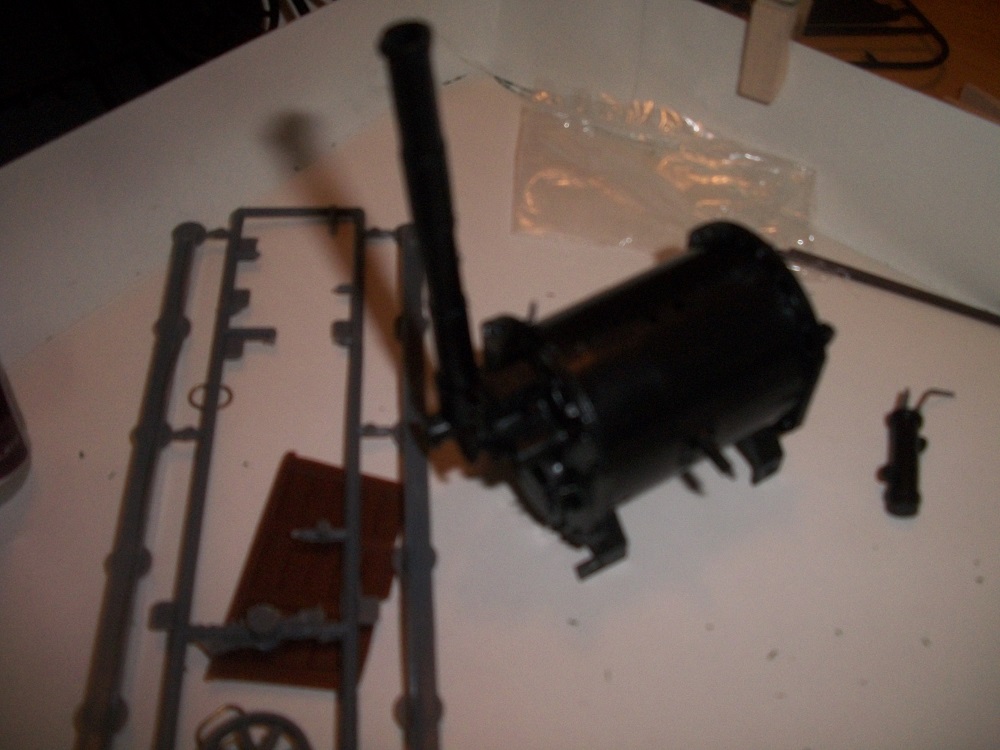
I am presently fiddling with a static model of an 1804 Trevithick. What I am
starting to wonder, as I complete the boiler, did Trevithick take a commercially
available boiler and graft it onto a chassis with wheels and add a transmission?
Or was it a total one off affair where he invented everything from scratch?
|
Country:  USA ~
Posts: 11693 ~
Member Since: December 09 2013 ~
Last Visit: October 13 2026 USA ~
Posts: 11693 ~
Member Since: December 09 2013 ~
Last Visit: October 13 2026
|
 Alert Moderator
|
|
|
|
Posted - June 13 2015 : 11:51:16 AM

|
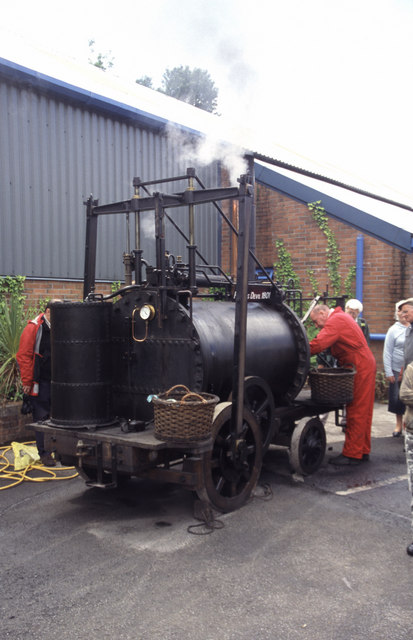
hi chops,there were no commercially available boilers so i guess after experimenting for a few years,it was scratchbuilt,or may have been a transformation from the puffing devil design as it blew up whilst having a pint in a pub
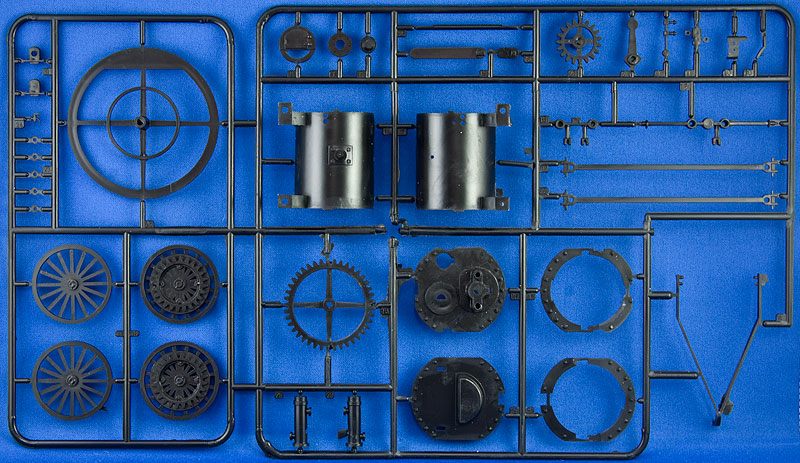
is yours an airfix kit ie 1/72nd scale
|
Country:  United Kingdom ~
Posts: 8294 ~
Member Since: September 28 2006 ~
Last Visit: October 20 2021 United Kingdom ~
Posts: 8294 ~
Member Since: September 28 2006 ~
Last Visit: October 20 2021
|
Alert Moderator

|
|
|
|
Posted - June 13 2015 : 3:00:16 PM
|
https://www.youtube.com/watch?v=pLJaboxC3Do
another of his locos
It did not even have brakes!
|
|
Country: USA ~
Posts: 15047 ~
Member Since: February 23 2009 ~
Last Visit: October 15 2026
|
Alert Moderator
|
|
|
|
Posted - June 25 2015 : 6:55:19 PM
|
Fabulous video Micro, many thanks, again. I am going to use them in a power point presentation on the subject. From my reading in The Railway
Revolution, by LTC Rolt, I gather that indeed Trevithick was indeed
a manufacturer of commercial boilers and that indeed he was frequently
shopping about trying to find different applications and new ways to
sell them. So, most likely he did graft a commercial application
onto a set of wheels and a transmission.
None the less, by putting these questions out there I
get all kinds of helpful insights and information, such as serveral
superb videos from Micro, as above.
One question that bedeviled me was how they tested a new, untried
boiler. Light a match and wait to see if it blew up or leaked steam?
In a letter from George Stephenson's son, Robert, I learned that
they had the technology to do a hydrostatic test- that is they
pumped them up with 150 psi of water and looked for the leaks
and bulging flu plates- they were quite good at this and were
able to measure a deflection of 3/16th of an inch. Another bit
is that apparently steam pressure gauges were no novelty, and
they used a mercury in a glass type affair to closely read boiler
pressure.
Another interesting bit is that leaf springs capable of supporting four to six tons of weight were not yet extant. Suspension, even at the low speeds they traveled, was essential to prevent the drive wheels from
breaking the cast iron rails, or plates, like so much glass.
On the bucket list: travel to the UK to visit these amazing relics.
|
|
Country: USA ~
Posts: 11693 ~
Member Since: December 09 2013 ~
Last Visit: October 13 2026
|
Alert Moderator
|
|
|
|
Posted - June 26 2015 : 11:56:58 PM
|
oh I should mention that they want to extend the tracks in the future
Here is another video on that loco
& it tells the story of Richard Trevithick aka Capt Dick 
https://www.youtube.com/watch?v=wOGYZC-IJPQ
|
|
Country: USA ~
Posts: 15047 ~
Member Since: February 23 2009 ~
Last Visit: October 15 2026
|
Alert Moderator
|
|
 Home
Home Forums
 Events Calendar
 Forum Admins & Mods
 Register