|
|
 Posted - January 24 2012 : 8:09:17 PM Posted - January 24 2012 : 8:09:17 PM


|
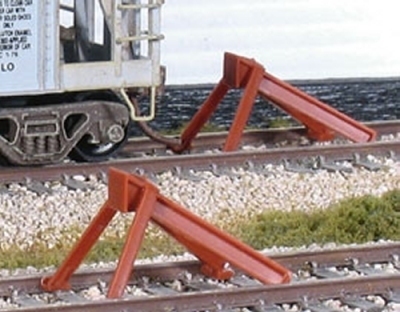
what time period were these used ken
|
Country:  United Kingdom ~
Posts: 8294 ~
Member Since: September 28 2006 ~
Last Visit: October 20 2021 United Kingdom ~
Posts: 8294 ~
Member Since: September 28 2006 ~
Last Visit: October 20 2021
|
 Alert Moderator
|
|
|
|
Posted - January 24 2012 : 8:15:27 PM
|
I don't know when they were invented, but it almost seems the fairer question would be, "When weren't they used?" LOL.
Not for mainline sidings and terminals as far as I know, but they are common on industrial spurs and second-tier job tracks, etc. They're cheap and easy to build yet effective, which makes them suitable for such locations. Even if other designs have come along you can probably find these still in use just about anywhere.
|
Country:  USA ~
Posts: 2798 ~
Member Since: September 17 2010 ~
Last Visit: July 22 2015 USA ~
Posts: 2798 ~
Member Since: September 17 2010 ~
Last Visit: July 22 2015
|
Alert Moderator

|
|
|
|
Posted - January 24 2012 : 9:43:01 PM
|
quote:| Not for mainline sidings and terminals |
Oh really?? I knows of one near me right now just down the BNSF main from me 
I'll get a pic tomorrow 
|
|
Country: USA ~
Posts: 15047 ~
Member Since: February 23 2009 ~
Last Visit: October 15 2026
|
Alert Moderator
|
|
|
|
Posted - January 24 2012 : 9:58:57 PM
|
| I still see them occasionally used on NJ Transit spurs. Most likely left over from better times...
|
|
Country: USA ~
Posts: 668 ~
Member Since: April 28 2010 ~
Last Visit: September 13 2026
|
Alert Moderator
|
|
|
|
Posted - January 25 2012 : 6:33:06 PM
|
| Although the track is gone these still exist along where the HoJack line used to run.
|
|
Country: USA ~
Posts: 332 ~
Member Since: August 28 2010 ~
Last Visit: April 23 2020
|
Alert Moderator
|
|
|
|
Posted - January 25 2012 : 7:25:40 PM
|
oops sorry siding was taken out but it still there
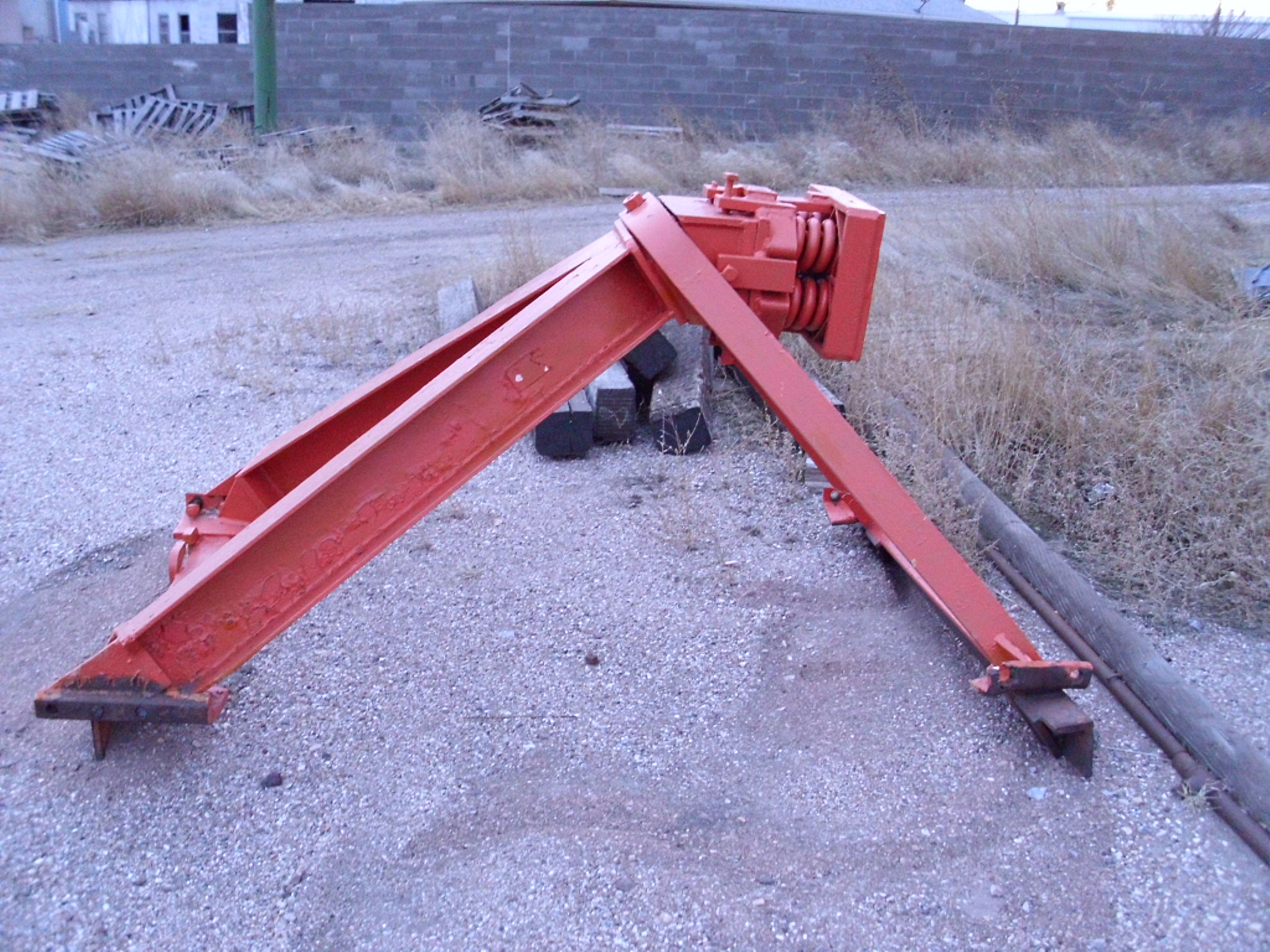
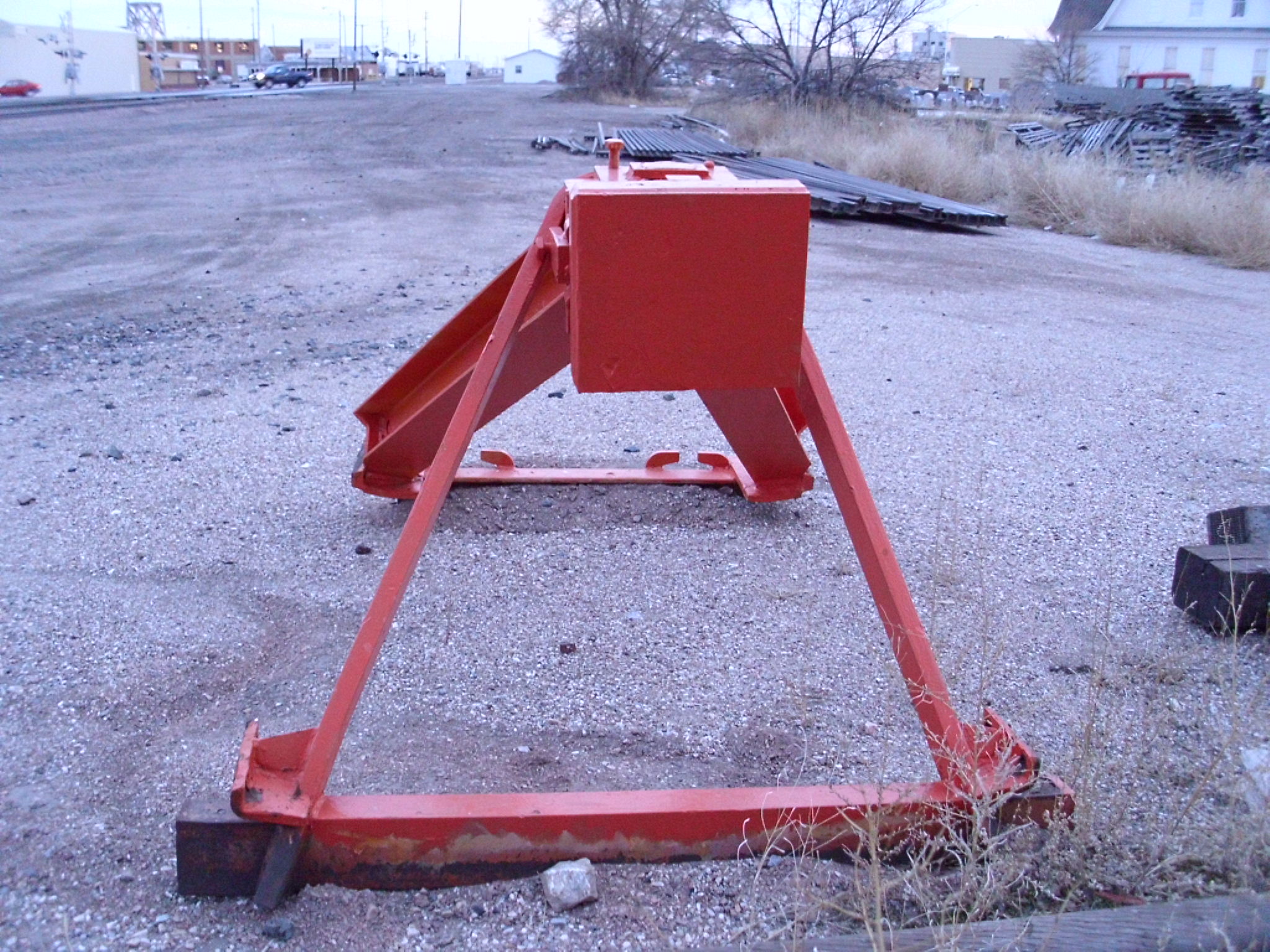
it was at a local grain mill siding
|
|
Country: USA ~
Posts: 15047 ~
Member Since: February 23 2009 ~
Last Visit: October 15 2026
|
Alert Moderator
|
|
|
|
Posted - January 25 2012 : 7:31:15 PM
|
I'm thinking late 50's maybe? A lot of the earlier end-of-rail/stop systems were using a wheel stop which a small piece of cast iron that mounted on the rail and a wheel set's contour curve casted in on the side facing the rails. Then if the siding was small, a pile of dirt was used. Some RR's had masonry style ones or concrete bumping posts.
" Heck with counting 'em rivets, TRAINS ARE FOR FUN! Not called the Mad Scientist for nothing either!"
|
|
Country: USA ~
Posts: 3147 ~
Member Since: May 07 2007 ~
Last Visit: June 01 2026
|
Alert Moderator
|
|
|
|
Posted - January 25 2012 : 10:46:27 PM
|
Ken I've dug and dug and I have the answer for you, Hayes (or Western Cullen Hayes these days) started building bumping posts such as what you have in 1903.
just me Ray... and just because I have Tyco doesn't mean I am not a model railroader
Edited by - rgcw5 on January 25 2012 10:47:42 PM
|
|
Country: USA ~
Posts: 506 ~
Member Since: April 03 2011 ~
Last Visit: November 29 2025
|
Alert Moderator
|
|
 Home
Home Forums
 Events Calendar
 Forum Admins & Mods
 Register